The Middle Temple’s first Bench Book, published in 1912 was intended to be a comprehensive record of the Benchers of the Inn up to this date, but there was at least one omission – that of Balthazar Beare, created Master of the Bench in 1662, whose life at the Temple was marked by the turbulent events of the seventeenth century.
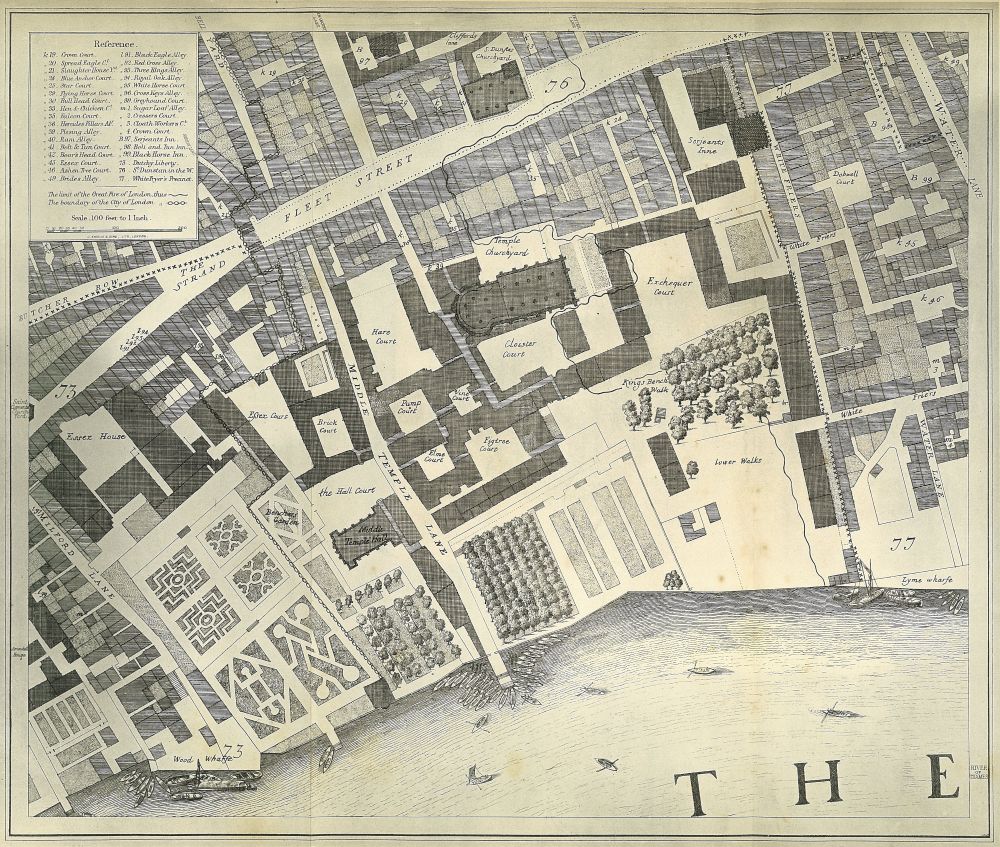
Plan of the Temple, copied in 1871 from the Map of London, 1677, by John Ogilby
Balthazar Beare would have been familiar with the ways of the Inns of Court from a very early age. He was born c.1616 to George Beare, himself a barrister of the Middle Temple who was made a Master of the Bench in 1633 and was Lent Reader that same year. He may have heard discussion of the law at the fireside or dinner table while growing up, or tales of the Middle Temple’s bustling social life, complete with Christmas mischief, disorder, feasts and plays.
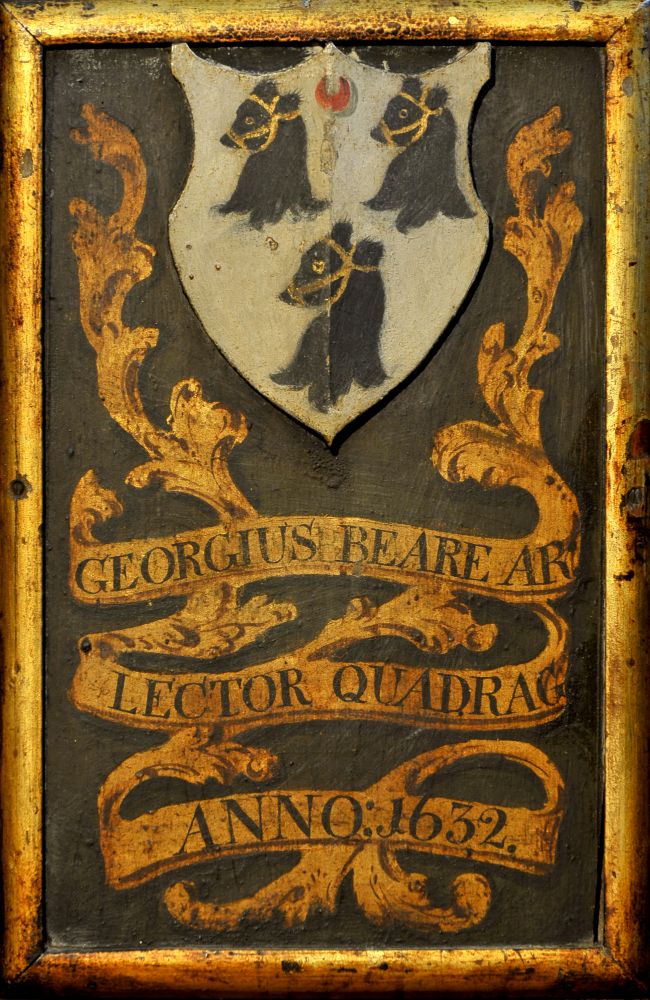
Armorial panel of George Beare, Lent Reader 1633
George Beare is noted in his admission record as being ‘son and heir of John Beare of Franckmarsh, Devon, gent[leman]’ and sixteenth century records in the National Archives referring to ‘the demesne lands of Franckmarsh’ indicate that there may have been an estate by that name in Barnstable, Devon, thought there is little trace of it now. The family would later move to the Ashe estate, now known as Ash Barton Estate, which may have been inherited through the female line.
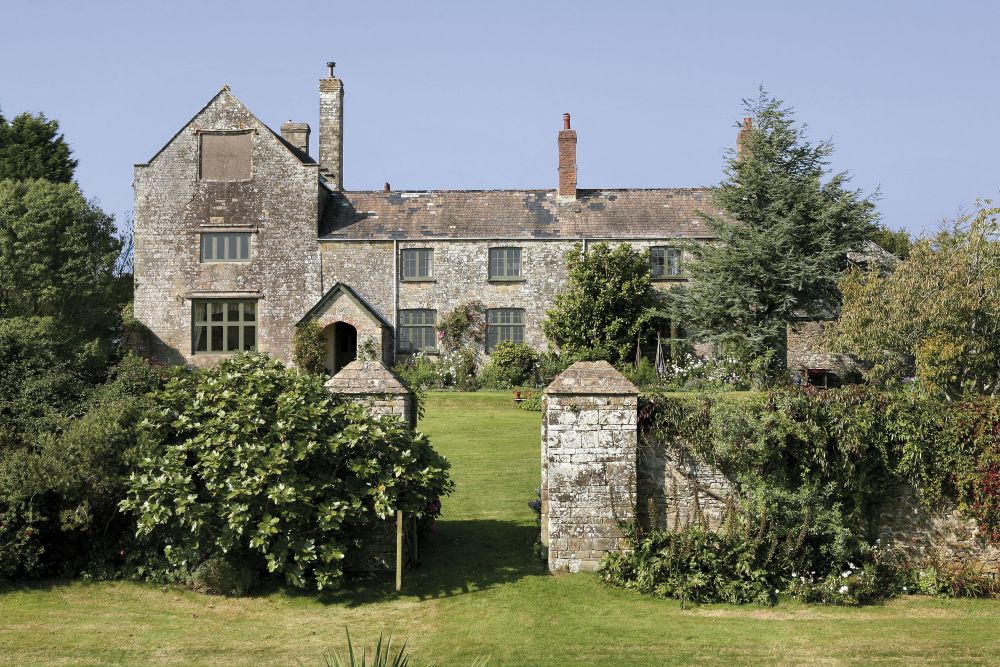
Photograph of the Ash Barton Estate © HKSG / Wikimedia Commons (CC BY-SA 3.0)
Balthazar was admitted to the Inn in 1633 at around the young age of seventeen, the same year that his father was made a Bencher by completing his Lent Reading, a requirement of advancement to this position at the time. Admission at around the age of seventeen was not unusual. Legal education at the Inns in the early Stuart period still centred on the traditional exercises - attendance at Readings, participation in moots in Hall, and the keeping of terms by dining in Commons. Formal Call to the Bar normally required several years of such exercises. As a student he served as a surety or guarantor for several other members during this period, providing them with the means of advancing their education and careers. He was only admitted to chambers in 1639 and was Called to the Bar seven years after being admitted on 19 June 1640.
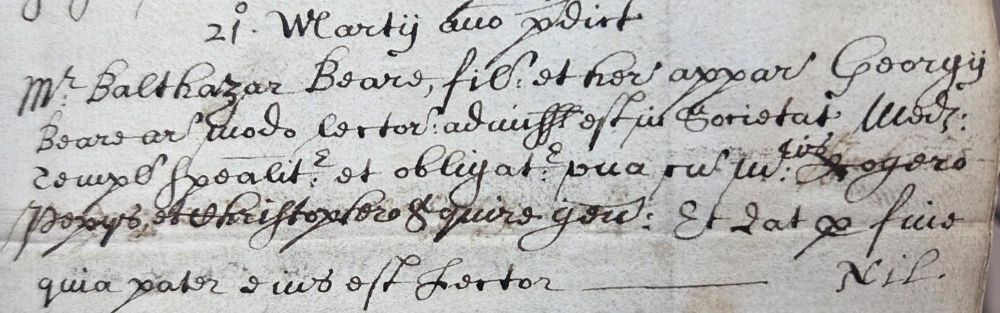
Record of Balthazar Beare’s admission in the Minutes of Parliament, 21 March 1633 (MT/1/MPA/5)
The outbreak of the Civil War in 1642 brought trouble to the Beare family. Though little is known about their activities during the war, it is likely that they formed part of the Royalist faction. In 1643 a Parliamentary committee was formed for sequestering the estates of known Royalist supporters, seizing ‘chambers, goods, chattels and books…’ Balthazar and his father were among the list of delinquents and it was ordered that all of their property remaining at the Temple be seized by the Parliamentarians. It was possible for those who had their estates sequestered to recover their property if they paid a large fine and swore not to take up arms against Parliament again and this may have happened in Balthazar’s case - in a 1647 petition to the Inn’s Parliament, he still appeared to have a set of chambers at the Temple but spoke of ‘the loss of a room with some goods in his father’s chamber, which was taken by sequestration’.
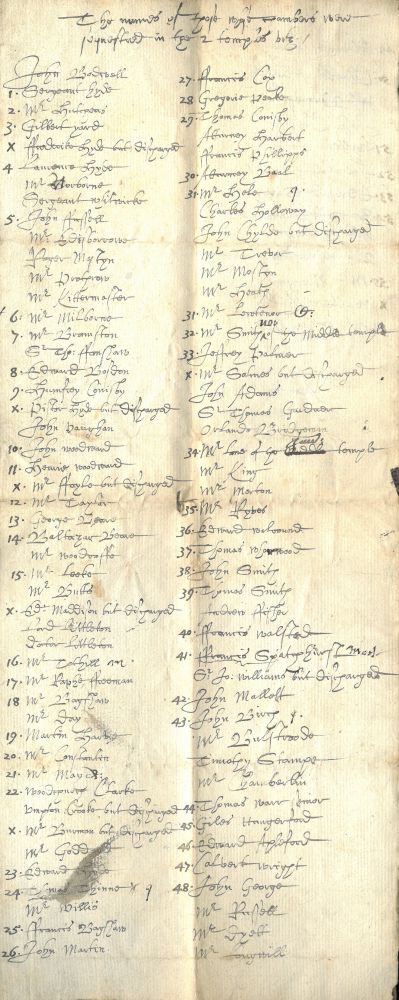
George Beare (13) and Balthazar Beare (14) in a list sequestered chambers at the Middle Temple and Inner Temple, c.1644 (MT/1/MIS/3)
In the 1647 petition, Balthazar asked the Inn’s Parliament for new chambers as his own were in a very poor state of repair. He was granted the chambers of the late Robert Ashley, who bequeathed the Inn his book collection that would go on to form its initial Library, ‘on the third floor of the buildings near Middle Temple Church’. He appears in these chambers in the earliest surviving comprehensive survey of the Inn’s shops and chambers in 1649, which records the position of the chambers in relation to others and the names of his neighbours.
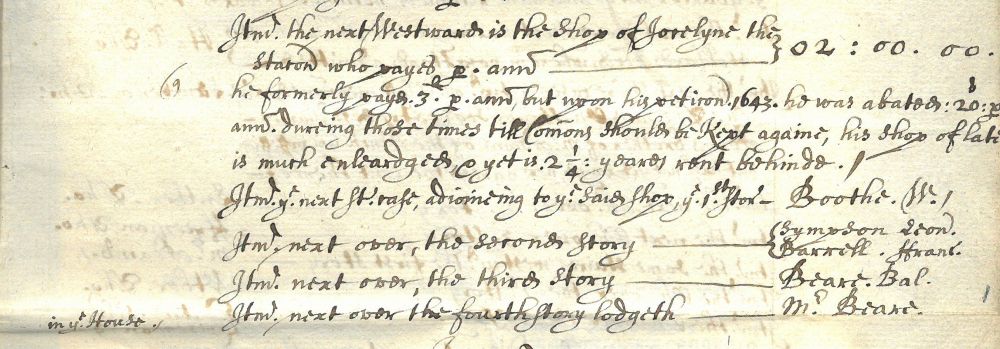
Balthazar Beare in survey of the Middle Temple’s shops and chambers, Michaelmas 1649 (MT/5/CSL/1)
Whether Balthazar ever formally practiced the law is unclear, but he appeared to have used his extensive knowledge for the benefit of the estate, family and friends. At the Middle Temple he acted as an executor to Alban Pigott, and in the National Archives there are extensive documents relating to lawsuits in which he and his wife were plaintiffs in the 1650s-1670s. These were primarily in relation to land and money. This had traditionally been one of the benefits of attending an Inn of Court for a young future land owner – as well as social polish and networking, the legal knowledge gained equipped the gentry with the knowledge to enforce laws on their estates and defend their interests.
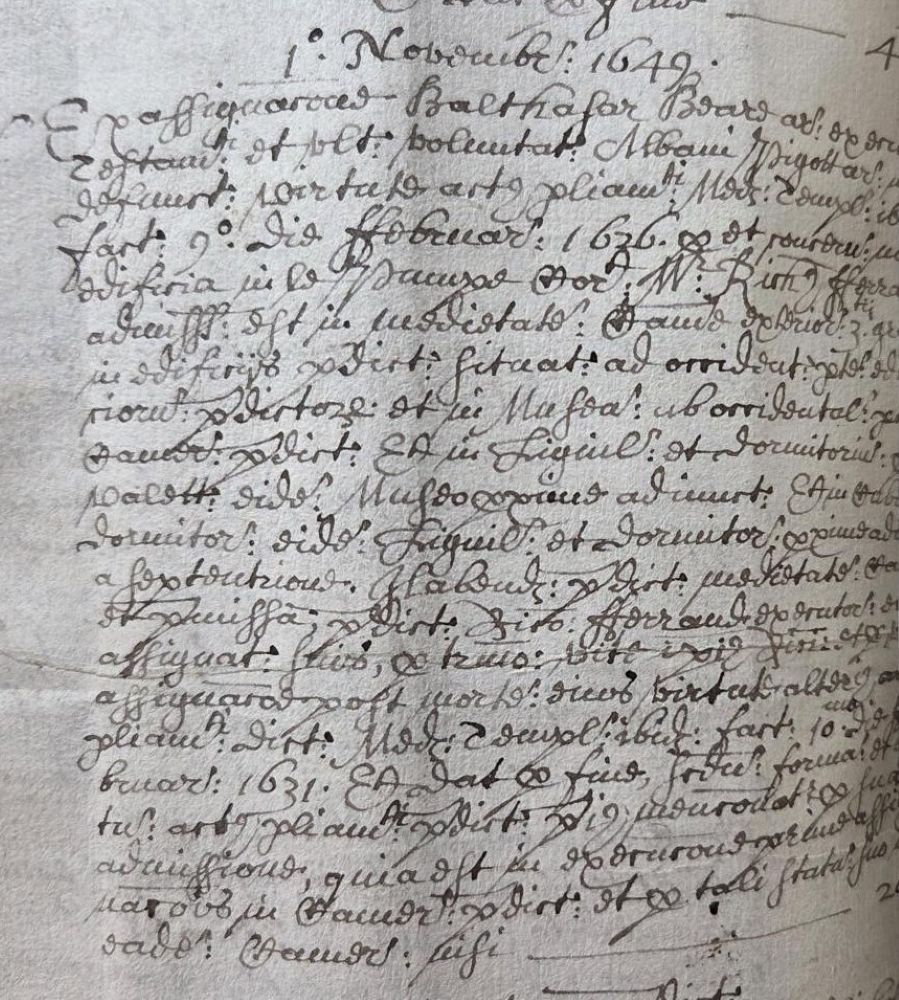
Record of Balthazar Beare acting as executor for Alban Pigott of Pump Court, 1 November October 1649 (MT/1/MPA/5)
By 1660, George Beare was elevated to the exalted and currently extinct position of Serjeant-at-Law – a superior rank of barrister that was also known as ‘The Order of the Coif’. Any barrister who gained this position left their Inn of Court and became a member of Serjeants’ Inn. Traditionally, they were sent off with great ceremony from their Inn of Court to Lambeth to take up their new position and it is likely that Balthazar would have attended this ceremony and received substantial second-hand-glory from the elevation of his father. After his promotion, George vacated his Bench position and chambers, leaving Balthazar as the senior Beare at the Middle Temple for the first time in his life.
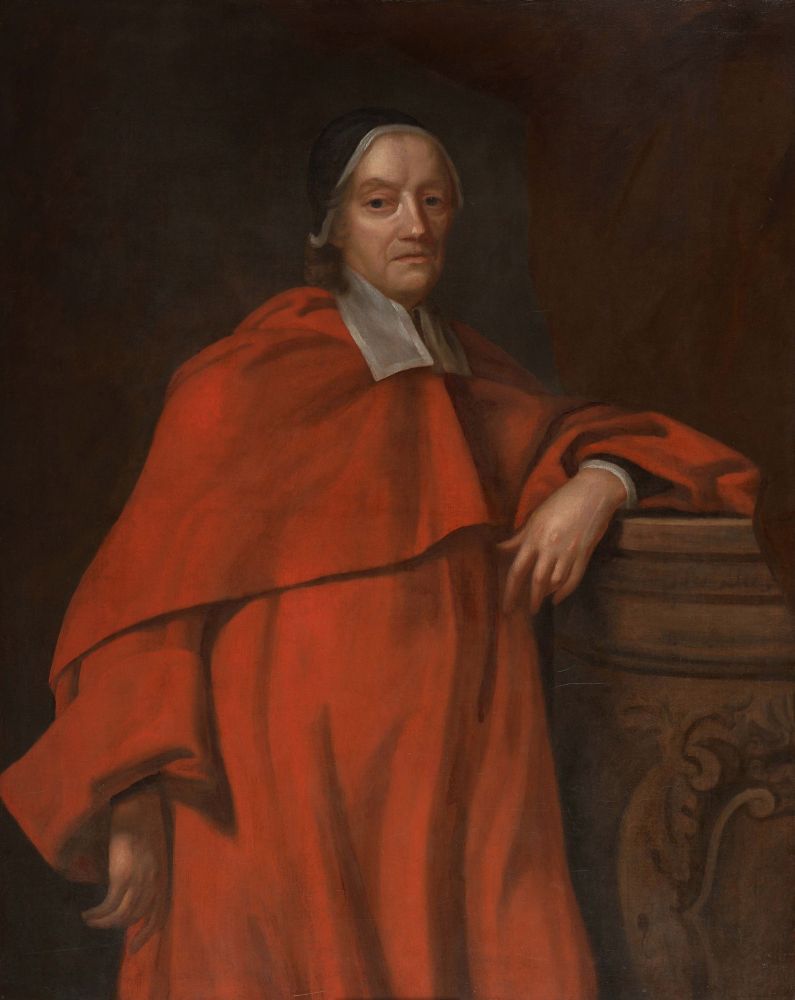
Portrait of Sir John Maynard (1604-1690), former Middle Temple member, Serjeant-at-Law, and contemporary of George Beare.
Despite this triumph, the 1660s would hit the Beare family hard. In 1661, Balthazar’s wife Elizabeth died, and this was followed in 1662 by his father. Among the landed classes, the death of a father would lead to new responsibilities for the heir, and the duties of running an estate would have to be well-executed, despite the probable following period of grief. In the same year, he was made a Bencher of the Inn, though without the requirement to read – this had been dispensed with due to the lack of readings during the Civil War leading to fewer Benchers being available to govern the Inn. After his election he served several times in a now extinct office as one of four cupboardmen during the Reader’s Feast, which may have involved the care and display of the Inn’s silver.
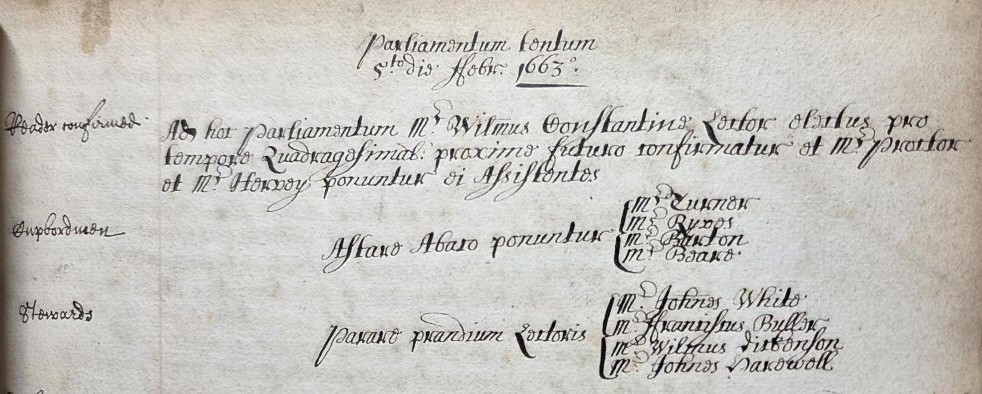 Record of the appointment of Balthazar Beare as one of four cupboardmen for the Reader’s Feast, 5 February 1664 (MT/1/MPA/6)
In 1667, Balthazar was asked to be the Inn’s 1667 Autumn Reader, and his responding letter is one of the only surviving letters from a member in the archive from the seventeenth century. It appears that the disasters of the 1665 Great Plague and the 1666 Great Fire of London stripped him of ambition. He wrote ‘having all along undergone the pressures of the late unhappy times I am less able to persue my sometime earnest intentions to comply…’. Other reasons he cited for declining were the distance, his age (around 51) and previous precedent, and he stated his desire ‘to confine myself mostly to my private dwelling in the country’, while hoping for the opportunity to call on the Benchers at ‘seasonal times in the year’.
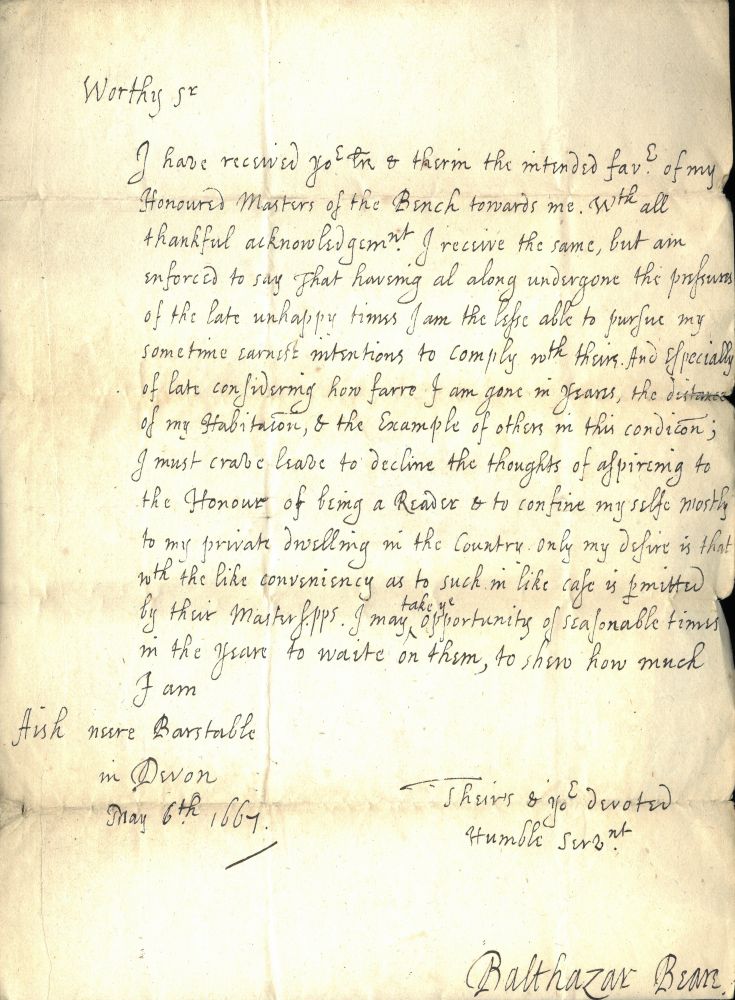
Letter from Balthazar Beare to Henry Proctor, Treasurer, declining the position of Reader, 6 May 1667 (MT/3/MEM/22)
Balthazar was fined £50 for refusing to read, a substantial sum at the time, and despite this later being reduced to £30, he appeared unable to pay. The Inn threatened to seize his chamber from him and sell it to pay his debt. He appeared able to delay this seizure and negotiated a compromise – in the end his chamber was divided in two, Mr Henry Toope was admitted to the part that was three stories high and Balthazar retained ‘the uppermost part’.
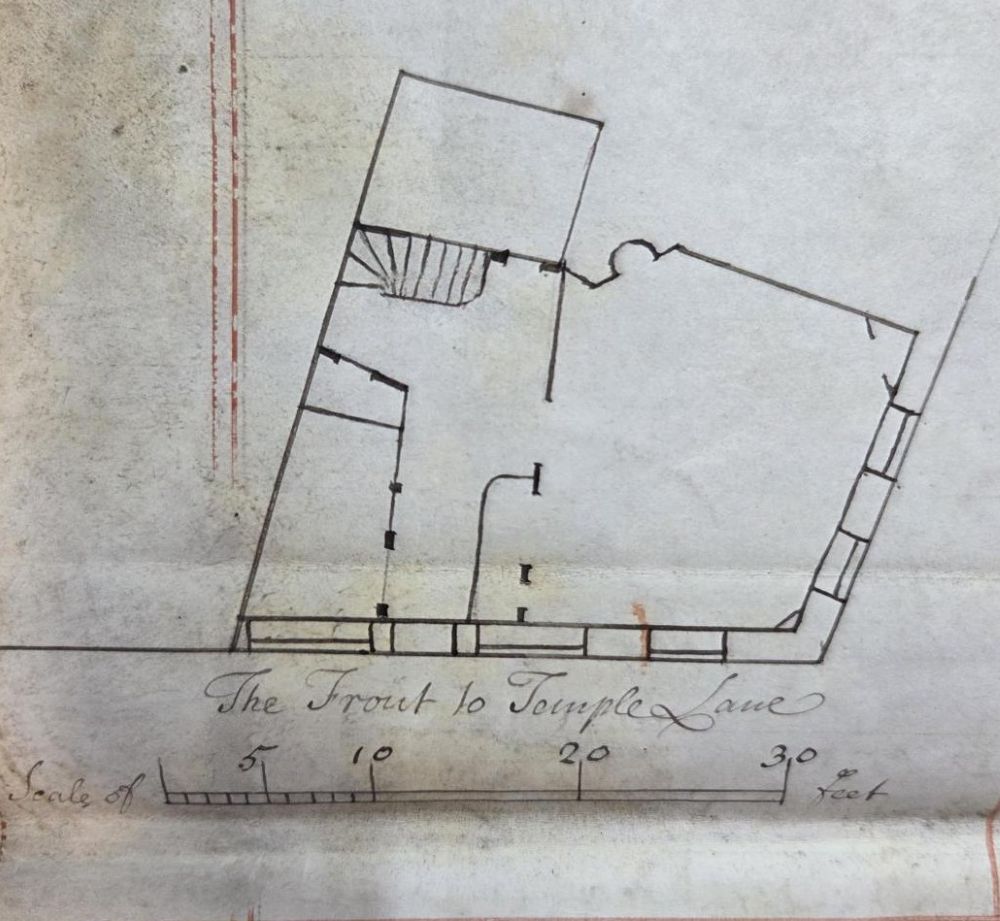
Earliest surviving internal floor plan of a chamber at the Middle Temple in the Archive, 1744 (MT/4/1/2/6/44)
It is evident that in his later years, Balthazar no longer occupied his chambers on a regular basis. Despite this, he would likely have felt their loss during the 1679 Temple fire, which burned down, or forced the blowing up by gunpowder, of a good portion of the chambers at Middle Temple. On 8 July 1679, the Inn was informed by the Inner Temple ‘that the Lord Chancellor had declared that the staircase where the chambers of Messrs. Booth, Viney, Ligon, and Beare were, over the Cloister entering into the church, should not be built’. The Cloister was rebuilt in the form seen today, with a gap between it and the church that did not exist before the fire, and Balthazar Beare’s chambers disappeared into history.
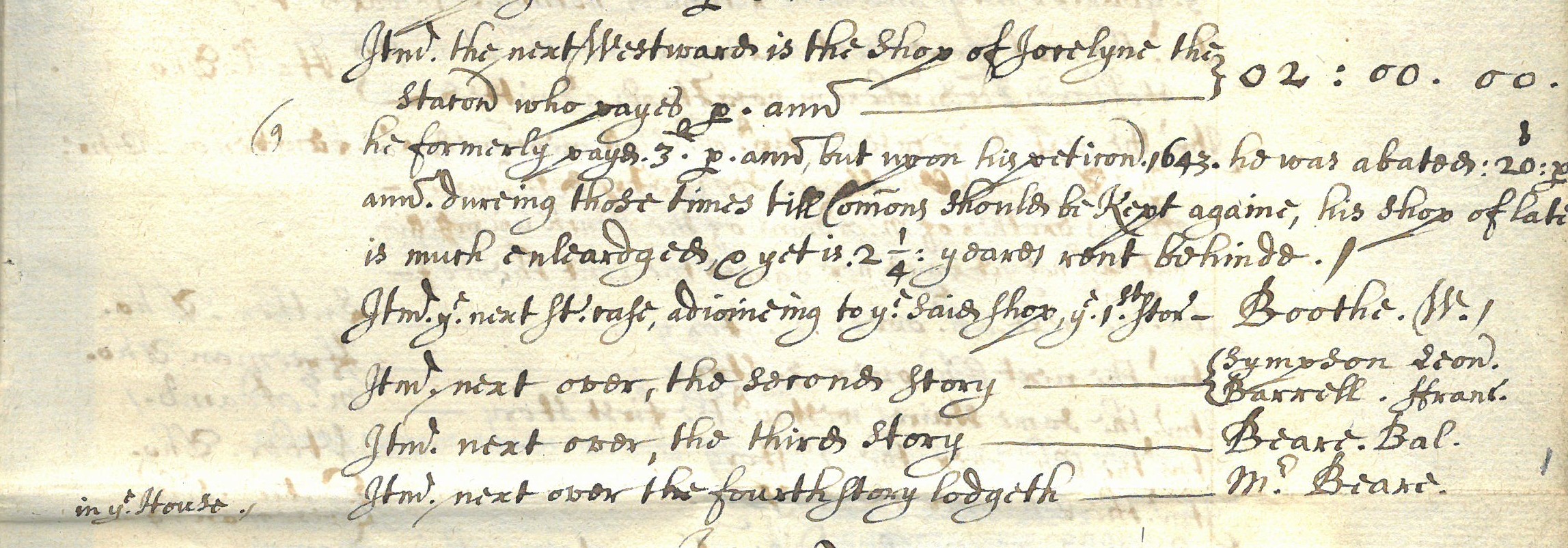
Petition to the Treasurer and Benchers from members with chambers over the Cloisters, c.1679 (MT/6/RBW/1)
Balthazar Beare died on 10 December 1682 before the completion of the new Cloisters. He was buried in St Brannock Church near his estate of Ashe, and the monument bearing his arms and motto, ‘Beare and Forbeare’, can still be seen by the congregation and visitors to this day. Omitted from the Inn’s first published list of Benchers, Balthazar Beare’s life nevertheless illustrates both the reach of the Middle Temple into the countryside and the long shadow cast by the ‘unhappy times’ of the mid-seventeenth century.
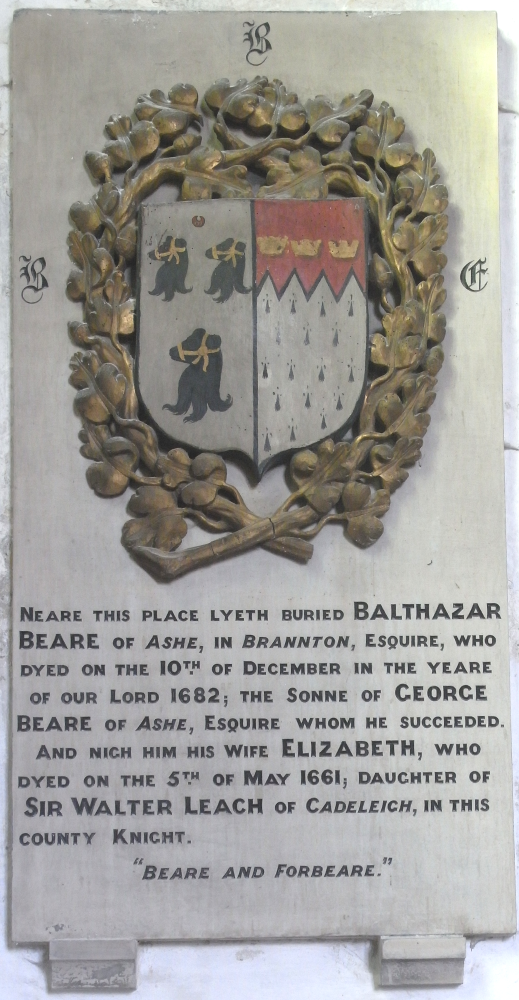
The funerary monument of Balthazar Beare in St Brannock Church, Braunton, Devon